Author name: Immaculate

Digital Marketing, Youthup Wire

Which Types of Live Video Are People Actually Watching? [New Data]

In 2019, global internet users watched 1.1 billion hours of live video. That equates to 12,557 decades of online content. And the craziest part? People will probably spend even more time streaming content in 2020. The statistic above is just one of many that shows how popular live video is becoming. And, with any social media or online video trend, marketers are taking notice and learning how to implement it in their own tactics. If the mounting research about live video has intrigued you, you might be asking more questions about live video in the near future. Specifically, you might be wondering, “Which types of live content are driving people to tune in?” To figure out what’s driving the world to watch multiple lifetimes’ worth of content in one year, I decided to conduct a Lucid survey of over 400 consumers to learn which types of content they watch the most. Which live videos do consumers actually watch? If you’ve followed live stream trends, you might think content that focuses on entertainment such as behind-the-scenes content, or video game streaming, might make the top of the list as the most popular type of live content. However, when I asked consumers, “Which type of live video are you most likely to watch if you see it on one of your social network feeds?”, their answers surprised me. The top three live videos that people say they’re most likely to click on actually emphasize content that’s educational or allows viewers to learn something new. In fact, the type of live videos consumers are most likely to view is “A Q&A with an influencer, celebrity, or expert in your industry,” which received nearly 30% of the votes. Below is a quick look at the top four live video types that polled consumers selected: Data Source Live video formats that consumers were less interested in were behind the scenes video streams, theatrical stories with a script or plotline, and virtual conferences or events. These topics received between three to eight percent of the votes. While the least popular types of live video focus more on gaming and entertainment, the top three formats are informational and can be used by brands to discuss their industry, grow awareness, or highlight a product online. Below, I’ll walk you through the three most common live video formats, note how you can leverage them as a marketer, and offer branded live video examples to inspire you. 3 Types of Live Video Consumers Love Watching Live Q&As Live Q&As can be affordable to produce, engage multiple audiences at once, allow you to interact with your fans, and highlight your brand’s expertise at the same time. If you host a Q&A with an influencer or thought leader, you boost the chances of their followers tuning in to comment with questions or learn more about the guest. In the process, they’ll learn a bit about you and your brand. If you appear on a Q&A, the host’s audiences will learn more about you and potentially get the opportunity to interact. Can’t book a thought leader or influencer? You can also coordinate Q&As with experts from your own company. This will allow experts in your industry to learn about a topic your employees are highly skilled in. This provides audiences value and allows them to engage with your brand in a new way. Additionally, prospects and customers that view this type of live video will see the depth of knowledge that your team has, which might result in them trusting the quality of your product. Product Tutorials While brands have been recording, editing, and publishing online product demos and tutorials for years, this process can also take place on live platforms. Although a pre-recorded product tutorial has the benefit of being edited, a live product tutorial authentically highlights a product with no added editing. Here’s an example of a live product tutorial streamed by The Nail Prop Shop which highlights tools that help consumers paint their nails like professionals: In the product tutorial above, you’re seeing how the product and the host authentically without edits, artificial lighting, or anything else that could boost the aesthetics of the product. Because of this, you can easily imagine what it would be like to use the product in your own life. Educational Content People crave knowledge. And, even when you don’t directly discuss your product or service, you can leverage your audience’s curiosity by launching live how-tos or explainers related to your industry. For example, if you’re marketing a restaurant, you might create a recipe or food-related how-to video. Or, if you’re marketing a fitness brand, you might stream a workout that audiences can try. Like Q&As, a how-to or explainer gives you the opportunity to show off your brand’s range of knowledge and expertise in your industry. Audiences who see this content might value your expertise and trust your brand because its team has shown a strong understanding of the industry and what audiences want to learn about. Here’s an example of a live how-to streamed by Planet Fitness. Rather than discussing what customers can get from a gym membership, a trainer from the gym shows audiences workouts that they can use to stay in shape — even outside the gym. Creating Your First Live Video If you’ve been inspired by the data or the videos above and are interested in coordinating your first live video, here are a few things you should consider before going live: Picking the Right Plattform: Platforms like Instagram, Twitter, Reddit, Twitch, TikTok, and LinkedIn offer a live video feature. Before you go live, research the audiences of each platform to determine which will best align with your own targets. Planning and Rehearsing: Once you go live, people will immediately be able to watch your content. To prevent any major blunders, you might want to rehearse prior to streaming or create an outline of what you plan to do while live. Including Interactive Elements: To engage with audiences further,

Digital Marketing, Youthup Wire

How to Run a Successful Grassroots Marketing Campaign [+ Examples]

When I try to think of marketing campaigns that were emotional and memorable, one of the first ones that comes to mind is the Dove Real Beauty campaign. The reason? Dove uses grassroots marketing strategies to create targeted content that their audience wants to share with everyone they know. As a marketer, that might seem like a daunting task. However, grassroots marketing can actually be cost-effective and achievable for any brand. Below, let’s review grassroots marketing from the best strategies to examples that’ll inspire your own campaigns. Grassroots marketing is similar to viral marketing because the goal is to create content that your audience wants to share. However, this might be more cost-effective since you’re building a campaign that’s targeted at a smaller, specific audience. These campaigns will be different from your everyday marketing campaigns because your goal is to inspire a small audience to take action. With other marketing campaigns, you’re probably hoping to reach a large number of people. However, with grassroots marketing, you’re creating highly specific content with the hope that your audience will share your message for you. 1. Know your target audience. It’s true, it’s going to be important for you to know your audience for any marketing campaign. However, with grassroots marketing it’s a necessity. The entire concept of grassroots marketing is that your audience will share your content for you. Yet, they won’t do that if your content doesn’t inspire them to. Before you get started with grassroots marketing, you need to know what motivates and inspires your audience. Figure out what they care about and create content surrounding that. 2. Get creative and inspire action. Again, your grassroots marketing content should inspire your audience to take action. But you might be wondering, “How do I do that?” One way is be creative and start a movement. Your content doesn’t have to be political, but it has to be inspiring and relatable. 3. Focus on storytelling. While I might be biased because I’m a writer, the best grassroots marketing campaigns are focused on storytelling. Ideally, your content will explore your audience’s emotions. For example, if your target audience is parents, you can create a video that’s focused on the parent/child relationship. This will tug at their heartstrings and make them want to share with their friends. In fact, think about grassroots marketing as a way to tell your audience’s stories. If they feel represented by your content, they’re going to share it wildly. 4. Start hyperlocal. It might seem like grassroots marketing is about creating viral content, however, no grassroots campaign started that way. With grassroots marketing, your content should be laser focused on your target audience. The goal is to attain national attention by sheer shareability and word of mouth. 5. Use reviews to your advantage. One strategy for your grassroots campaign should be to focus on getting reviews. You should spend time building your reputation on Yelp or Google reviews so you can gain organic attention online. For example, a year ago, I started to hear all about this thing called a Hydro Flask. I saw the reviews and heard people talking about it for months. I finally decided to buy one even though I had literally never used a water bottle in my day-to-day life before. That’s the result of a great grassroots marketing campaign. With reviews from happy customers amplifying your message, you can reach people you weren’t even targeting originally. 6. Create YouTube content. YouTube is one of the best channels to disseminate your grassroots marketing content. On this social media platform, you can share highly targeted content that’s educational, helpful, and emotional. If your video continues to get shared by your audience, you can begin to reach even more people organically because your video might rank better. Grassroots Marketing Ideas 1. Text your customer. With grassroots marketing, it’s important to get creative with how you reach your audience. One way to do this is to use text marketing. With SMS messages, you can have a real conversation with your customers. You can learn about them, send them one-touch surveys, or offer targeted marketing based on their feedback. The trick with text marketing is to only send messages to customers who have signed up to receive your texts. No one wants to get a random text from an unidentified number. 2. Include visuals. Almost every grassroots marketing campaign should be focused around the visuals. In fact, in a 2018 HubSpot survey, 54% of consumers wanted to see more video content from a brand or business they support. Visual content is what your audience wants to see. Plus, the main idea is that grassroots marketing is shareable and visual content is easier to share. 3. Don’t forget a call-to-action. Not to beat a dead horse, but your grassroots marketing campaign should inspire action. To do this, you have to include a call-to-action in your campaign. With successful grassroots marketing, your target audience has shared your content with their friends. Now that you have people’s attention, you need to decide what to do with it. For example, you can ask people to donate to a cause or purchase a product. 4. Support a cause. A quick and easy way to implement grassroots marketing in your strategy is to support a cause that your audience cares about. When people see that your company is charitable, they’re more likely to trust you and have positive associations with your brand. You can support a cause by donating, encouraging your audience to donate, amplifying and representing the message of a cause, or listing the causes you support on your website. When your content is focused around philanthropic efforts, your audience is more likely to share it. 5. Use influencers. Influencer marketing is a modern day version of grassroots marketing. The theory is that when influential people promote your brand, your audience is more likely to share that message and be inspired to take action. To get started, you could send influencers in your

Digital Marketing, Youthup Wire

45 Slack Tricks to Boost Productivity & Improve Collaboration

Slack is an undeniably popular messaging channel for businesses — it’s used by over 12 million people worldwide, and 87% of its users say Slack improves communication and collaboration. As a daily Slack user myself, I can attest that it’s an incredibly helpful tool for sending quick questions to your manager, organizing meet-up times with colleagues, or even sharing the occasional dog photo in the company’s #dog-channel. However, despite using Slack daily for the past two years, I had no idea that I could star important messages (which essentially “bookmarks” them), set up reminders within Slack to respond to messages whenever I’m ready, or create a custom emoji. There are plenty more tricks to using Slack more efficiently, as well — here, NetCredit collected 45 of them. Take a look at this infographic to learn how you can streamline your own processes to become more productive while using Slack, or how you might create a better experience for your colleagues.

Digital Marketing, Youthup Wire

How to Create an Editorial Calendar [Examples + Templates]

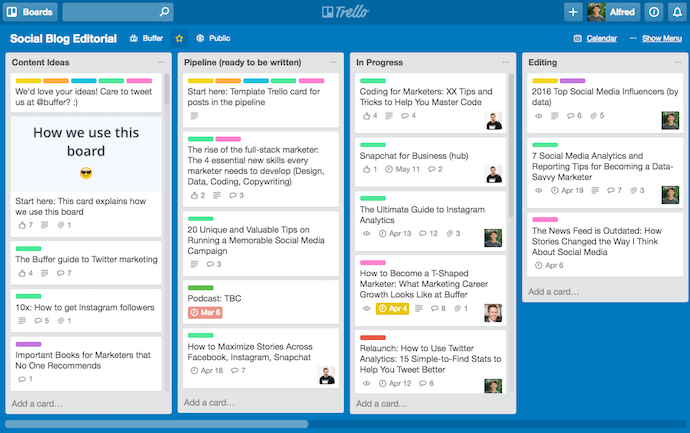
If you’re anything like me, you’re consistently working out of at least 20 browser tabs, four journals, a yellow legal pad or two, and a myriad of Post-it notes stuck around your computer monitor. To the average overseer, it’s nothing short of chaos. To the blogger, it’s evidence of a (desperate) need for an editorial calendar. My muddled system transforms dramatically when I work with a team. I realize the need for organization and structure, and this could not be more necessary than with managing a blog. Without a mutually agreed-upon system for planning, writing, and scheduling content every week, you can find yourself in a pile of missed deadlines, unedited blog posts, and a fair amount of team tension. There’s no such thing as a perfect editorial calendar — it all depends on the needs of your team. Nonetheless, there are a number of questions you should ask yourself to determine what your editorial calendar should look like. These include: How frequently are you publishing content? Do you have stuff going live every day? Once a week? Perhaps multiple times a day? Finding out how often you publish can tell you how best to visualize your editorial calendar on a regular basis. Do you create more than one type of content? If you upload as many videos to YouTube as you publish articles to your company blog, your editorial calendar will need to distinguish between the two. How many people will use this editorial calendar? The best editorial calendars allow multiple people to brainstorm, collaborate, and provide feedback on assignments in real time — directly on the calendar. What are the various stages content goes through before it’s published? How complex is your content pipeline? Is there a substantial review or approval process that each piece of content goes through? Make sure your calendar can distinguish between two similar assignments that are in different stages of creation. What format will you use to organize this calendar? You’ll want to choose the system that best aligns with your goals and your team’s workflows. The next section discusses the most common formats. Choosing a Format for Organizing Your Content Calendar There’s no such thing as a perfect editorial calendar, but some formats will be better than others at helping you solve for your team’s goals. Once you choose a format, you’ll also want to decide on how you will implement it — picking a tool or platform that offers the features or interface your company needs most.  Here are some of the different ways to format your editorial calendar:  1. Traditional Calendar or Calendar App Whether you’re tracking deadlines on a big paper calendar on your desk or through an app like Google Calendar, this is one of the most straight-forward ways to know what’s going out and when. The disadvantage, though, is that there’s more to project and content management than publishing dates, and a calendar may not always be effective enough on its own.  2. Spreadsheet Spreadsheets have always been a favorite for content management. There’s something so satisfying in seeing all your necessary data points aggregated in one place and organized neatly into rows and columns. With Microsoft Excel and Google Sheets, spreadsheets are easily accessible and don’t have a high learning curve. One advantage of using spreadsheets is that they can be easily paired with calendar apps and content management tools. By importing a .csv file, you can load the information into multiple places as needed for the tasks at hand (see the Google Sheets and Hootsuite Planner combination in the next section for inspiration).  3. Kanban Board or Other Project Management Tool Kanban is a visual system for project management that involves moving cards through different stages of a project. It’s popular in editorial management because it can be easily used to represent an editorial workflow no matter what your quality assurance process is or how many hands touch a piece before it’s published.  This means that a Kanban board can easily accommodate your content calendar if you require more planning and management to push things live. Popular options for this type of system include Trello, Airtable, and Meistertask. 4. Content Calendar (and Management) Apps Taking the calendar concept a little further, there are apps and software platforms that have been designed specifically for content management. They include both the calendar and the project management aspects that are required to get the job done along with other helpful features for high-volume content marketing teams. Examples of these platforms include CoSchedule, Contently, and Loomly. Editorial Calendar Examples To help you implement an editorial calendar, we’ve also included two real examples from a few of the most successful content teams out there. Check them out below and find out what makes their calendar so useful. 1. Buffer’s Editorial Calendar Platform: Trello This is the actual editorial calendar of Buffer, a social media content scheduling platform. Naturally, the company’s own content is supported by an editorial calendar that describes an assignment’s author, title, publish date, and where it is in the company’s editorial workflow (content can be in the “Ideas” stage, in the “Pipeline,” “In Progress,” or “Editing”). Each rectangular tile shown above represents an individual piece of content — whether it’s a blog post, video, or even a podcast episode. As you might be able to tell, Buffer’s editorial calendar is built on Trello, a common project management tool. And although you can use Trello more than one way, Buffer uses most of its available features so everyone has the information they need within a few clicks — regardless of what they do for the company and how the calendar affects their work. “An editorial calendar should be a resource for your whole team, not just content creators,” says Ash Read, Buffer’s editorial director. “It should be something anyone can easily access to see what’s coming up and also suggest content ideas. Sometimes the best content suggestions will come from people outside of your marketing team.” In the next screenshot, above, you can

Digital Marketing, Youthup Wire

A Content Marketing Playbook for Times of Crisis

The COVID-19 pandemic has sent businesses scrambling to pause plans, edit emails, and cancel campaigns. And while everybody seems to know what not to publish these days, many marketers are asking: what should we put out into a world in the throes of a crisis? It’s a conundrum facing countless creators across the globe. They’re wondering how to be empathetic without being disingenuous. How to offer value without seeming opportunistic. And how to be there for their audience without adding to the noise. These are important questions to ask at a time like this. Essential, in fact. But underpinning all of them is a much simpler question that gets to the very heart of what content marketing has always been about. A question that every creator staring at a blank canvas right now should be asking: how can we help? Because now, more than ever before, audiences are seeking help. Increasing Engagement Rates Entire industries have been forced into hibernation in recent weeks, but this does not mean audiences’ appetites for helpful content has gone away. On the contrary. Consumers are increasing searches for valuable information and engaging with businesses at record rates. According to an analysis of anonymized data from HubSpot’s global customer base, engagement with marketing emails, website traffic, and live chat sessions have all been on the rise, with email open rates an eye-catching 25% higher than pre-pandemic levels. Meanwhile, traffic to HubSpot Academy, our free online training program, has more than doubled in recent weeks, and our Marketing Blog has experienced a 40% increase in weekly organic traffic. The pandemic has triggered a striking surge in the very thing that many marketers care about most: audience attention. And such a high level of interest in the content companies are sharing, coming at such a sensitive time, places a huge responsibility on marketers to deliver materials that are not only relevant to the current moment, but genuinely impactful, too. Those that fall short run the risk of doing damage to their reputation — according to Edelman, “71 percent of consumers agree that if they perceive that a brand is putting profit over people, they will lose trust in that brand forever.” But those that succeed will leave a lasting impression on their audience — according to Gartner, brands that meet consumer’s needs at this time can “re-establish trust through customer-centric actions.” So, it is not only engagement rates that are high during this crisis. The stakes are high, too. And a situation this unique requires a unique strategy to match. When a Crisis Descends, Pause Before Planning When times of crisis strike, the first thing marketers should think about is what not to do. Planned projects, campaigns, and announcements should be reviewed and postponed if possible. For those assets that are released as planned, it’s likely they’ll need a new tone that’s appropriate for the new environment. Marketers should examine every article, email, ad, and social media post scheduled to be published to ensure that the tone of each asset is empathetic and respectful. If this sounds like a lot of work, it’s because, in many cases, it is. No one team can manage a company-wide content audit alone. Communications teams have expertise in developing messaging, social media teams have deep connections to their online community, email marketing teams have a strong understanding of brand tone, and customer-facing teams, including sales to service, have their fingers on the pulse of how customers are feeling — all of these teams should be consulted on content strategy during a crisis to ensure that a consistent and helpful approach is adopted across every touchpoint with the public. At HubSpot, before we began creating new content for the new environment, we significantly reduced the frequency of our social media posting, dialed back the promotion of a major product launch (CMS Hub), and created a centralized set of guidelines on how we as a company should be communicating during this crisis. Making such sweeping adjustments on short notice isn’t simple, but for us, two things helped make it easier. First, we have an established decision-making process for crisis communications that minimizes confusion in the moment. Second, by centralizing all of our customer interactions in a shared CRM, we’re able to see what communications customers are getting and roll out adjustments quickly to marketing, sales, and service. Creating New Content in Times of Crisis When it comes to creating new content during a crisis, marketers’ sole focus should be on delivering work that is genuinely helpful to their audience, without being opportunistic or adding more noise to a topic that has already been widely covered by others. According to research conducted by Edelman, 85% of people expect companies to use their power to educate their audiences during the COVID-19 crisis. For some companies, that could mean writing in-depth articles that offer expert advice on relevant topics or aggregating publicly available information to make it more accessible for readers. Intuit, for example, did this well when they teamed up with GoFundMe to create a Small Business Relief Initiative and when they built an interactive tool to help small businesses learn if they are eligible for government-provided financial relief. We saw similarly helpful content from Care.com, whose team leveraged their deep knowledge of caregiving best practices to share expert advice on the precautions for families and caregivers facing the global health crisis. These powerful examples directly address the situation at hand. But for other companies, providing helpful content could mean offering an alternative to the cacophony of crisis-centric content flooding feeds all day, every day. For example, NPR has unsurprisingly witnessed a spike in listenership to its news shows as people seek up-to-date, reliable information as the pandemic evolves. But it has also seen a 120% increase in weekly visits to its Tiny Desk Concerts — an entertainment series — indicating that audiences are not only interested in information directly about the crisis, but are also desiring content that provides an escape from it.

Digital Marketing, Youthup Wire

The Ultimate Guide to Instagram for Business

More companies are using Instagram than ever before — there are now over 25 million businesses on Instagram, most of which are small businesses. To capture a new audience and engage with your existing customers, it’s critical you consider using Instagram for your business. With over one billion Instagram users, Instagram is one of the most popular social media tools at your disposal.Instagram has proven a worthwhile investment for marketing purposes. You’re able to market your products to a more targeted and engaged audience, and it’s cheaper than more traditional forms of paid advertising. Plus, it’s an undeniably powerful tool to spread brand awareness — in fact, 90% of Instagram users follow at least one business on the platform. But using Instagram for business purposes can seem daunting, particularly if you’ve only ever used it for personal use. Here, we’re going to explore how to leverage the power of Instagram for all your business needs. How to Use Instagram for Business Let’s delve into the six strategies you’ll need to employ to get the most out of Instagram. 1. Add Value With Your Content First and foremost, Instagram is a visual platform. To attract an audience, it’s critical you spend time delivering high-quality, thoughtful content. Instagram has the highest engagement rate, surpassing Facebook and Twitter. To succeed on Instagram, it’s essential you create valuable content that attracts an audience and encourages them to engage with your business. Consider how you can delight your customers while staying true to your brand. You don’t need to just post images of your product to spread brand awareness and increase sales. In fact, in some cases, it’s better if you don’t. For instance, Hot Pockets sells microwaveable pocket sandwiches. Admittedly, I wasn’t much of a fan of Hot Pockets — until I began following their business’s Instagram account. There are only so many times you can post a picture of a sandwich. Hot Pockets goes in a different direction. Instead, they appeal to their audience through humor, often posting relevant memes or funny quotes. For instance, in response to @ShallowDivers’ claim that Hot Pockets aren’t sandwiches, Hot Pockets responded with this: Ultimately, it might take trial and error to find the content that works best for your business. While Hot Pockets relies on humor, other brands like The North Face use impressive adventure images to appeal to their demographic. The point is, brands need to add value to Instagram’s community rather than using the platform for advertisements alone. This is critical for your long-term success. 2. Maintain a Consistent Theme Imagine each Instagram post as an individual page of your website — while each post should be good on its own, ideally you’ll need to create a cohesive theme to maintain an audience’s loyalty. It’s important to note, I mean “theme” in the broad sense, as it relates to everything from hashtags and captions to Stories and photos. You’ll need to create a consistent tone of voice and a unified feed aesthetic. Ultimately, the more specific and consistent you are with your posts, the more likely you are to attract your most authentic audience. You might think it’s better to appeal to more people through various themes, but ultimately, staking your claim in a specific niche will help you create stronger, more genuine connections. For instance, consider MVMT. Their feed is undoubtedly consistent, with similar filters and color palette, and an emphasis on darker, edgier images: Their consistency is equally obvious in their captions, with phrases like “Create a life you can’t wait to wake up to,” and “Unexplored paths lead to undiscovered stories.” In every post, you’ll see the same hashtag: #jointhemvmt. Undoubtedly, their followers both expect and prefer this type of content, or they wouldn’t have followed them in the first place. To continue delighting customers, it’s essential MVMT keeps true to their theme. 3. Engage With Your Audience Engaging with your audience helps your followers feel valued and, as a result, more connected to your business. There are plenty of ways to engage with your audience. You might reply to comments on your posts, participate in comment threads, run contests or giveaways, use Instagram Stories polls feature, or give shout-outs to followers on your Stories, particularly if they post something relevant to your brand. Halo Top Creamery does a fantastic job of engaging with their audience. They frequently post cute ice cream pictures with the caption “Ice cream is better with friends. Tag a friend you’d like to eat this with.” A simple “tag a friend” caption is an effective strategy for growing your audience since your followers will then tag friends who might not know about you yet. Additionally, Halo Top often does contests and giveaways, like this one:  By tagging winners in their posts, Halo Top incentivizes other followers to engage with their brand in the future. Additionally, Halo Top’s giveaways demonstrate their genuine commitment to connecting with their audience. 4. Consider Influencer Marketing As a consumer, you’ve likely seen the recent influx of influencer marketers on Instagram — and for good reason. By leveraging the power of an influencer, who is already authentically connected with her audience and seen as a trusted source of information, you’re able to spread brand awareness and drive sales. Micro-influencing in particular is a strong opportunity for brand endorsement. In fact, one survey found 82% of consumers are highly likely to follow a recommendation made by a micro-influencer. That surpassed the number of consumers who are willing to follow a recommendation from an average person, like a family member or friend.  You could use your budget and resources to invest in traditional advertising, but it’s often easier to create a more targeted, effective marketing campaign through influencer marketing. Ultimately, influencers have already cultivated an engaged, loyal following — by identifying the right influencers for your niche, you’re much more likely to find followers who will truly enjoy and support your products or services. 5. Implement an Instagram Ad Campaign There are two reasons

Digital Marketing, Youthup Wire

How Dynamic Content Makes Your Marketing More Personal

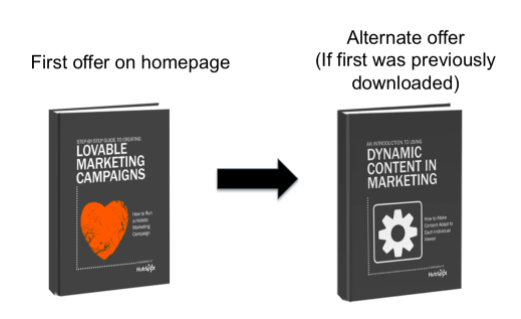
The first time Amazon introduced me to the perfect book for me via their recommendation engine, I was completely awed. The idea that a website could not only recognize a return visitor, but also discern their interests and alter their site experience accordingly felt like nothing short of magic. For instance, when I check Amazon’s site, I can find numerous personalized recommendations just for me, and it still feels like a delight, every time. Since then, data-driven personalization has become more common, though not entirely pervasive in the marketing space — perhaps due to a lack of understanding around how it really works. I mean, just what drives all this highly adaptive content? More than that, how does adaptive content affect a lead’s decision-making process? That’s what we’ll go to in this post. I’ll break down the concept of “smart,” or “dynamic” content, explain what it is, how it works, and give you some strategies for incorporating it into your marketing. First, let’s explain what dynamic content is and why it’s important to use for your business. What is Dynamic Content? Smart content delights customers. When you utilize data-driven content, you can influence a lead’s buyer journey. Let’s talk about what exactly dynamic content means. Dynamic content creates an experience that’s customized specifically for the visitor or reader at that moment. One of the most well-known examples of smart content is Amazon’s recommendation engine, which we talked about earlier. Other forms, however, range from personalization fields in emails to entire images or offers on a webpage that shift based on who is looking at them. For example, let’s say I visit an ecommerce site for the first time. During this first visit, I browse around, click the “like” button on a few products, and maybe purchase something. When I come back a couple of weeks later, the home site has now changed to say “Welcome back, Kayla!”, and recommends items I might like based on my history. Suggested items were chosen based on what I purchased previously, and the information I gave while purchasing, such as my name, was stored by the website’s scripts to create a personalized experience the next time I visited. Dynamic content also works with ads. Earlier this morning, I browsed a cosmetics site I hadn’t visited before. After closing the website, I opened Facebook, and all of my ads were from that company I’d just visited. Facebook chooses ads to show users based on their browsing history and interests, so when I visited that makeup website, Facebook found the ads from that business and displayed them on my feed. Now that we have a deep understanding of dynamic content, let’s take a look at how it works. How Dynamic Content Works The key to dynamic content’s effectiveness is its relevance. This content is developed from data known about the user based on behavior. The data collection works by scripts in a webpage’s HTML that changes to make the page relevant to the user. This data is stored in the site’s database, and is what’s called a database driven website. If a website is database driven, it’s dynamic. This is because most of the content on these websites are stored in its database. The content being stored is user data that’s then used to create personalized experiences. Ultimately, dynamic content is collected from what the user gives the website, such as an email address, first name, or shopping history. This data will be organized and stored in database driven websites with associated values — think of this as a filing system. The website then assess the need of the page and shows the viewer content that’s relevant to the user. There’s two different types of content-based websites, however. Other than database driven, dynamic websites, there’s websites that have its content stored in HTML files, known as static websites. Next, let’s go in deeper about the differences between dynamic and static websites and how they work together. Dynamic content vs static content As we’ve learned, dynamic content is powered by a database driven website. Static websites are powered by websites where the content isn’t stored on a database, rather HTML files. Generally, most are used to static websites. To sum it up, static websites are the ones that don’t recognize user behavior and change to be personalized. Think of pages you visit that don’t change based on your past behavior, such as ecommerce sites that don’t give you suggestions and marketing emails that don’t mention you by name. It might be a good idea to use static pages if you don’t have the time to devote to creating dynamic pages. Additionally, if you want to get more comfortable with running a website, static pages take less time to create, and you can still create a delightful experience for customers if you manage your website using software to manage your pages seamlessly, like a CMS. Even webpages that have a section similar to “Based on people you follow,” like Twitter, are dynamic. There’s awesome benefits to using dynamic websites, for instance, the personalized aspect can help improve KPIs like conversions and return visits. Other benefits include an improved user experience, clean web design, and low maintenance. A page that’s dynamic doesn’t need to be constantly updated — it’ll always be active. Technology dynamic web pages uses to be dynamic include: A Centralized Marketing Database — Your marketing database is the brain behind your dynamic content. It stores your contacts’ download and interaction history with your site. A Smart Content Generator — Informed by the database, a smart content generator will show or hide content (blocks of images or text) based on rules you set. Malleable Web Pages — A dynamic site has to be one that is easily editable and typically marketing-controlled, rather than run through another department like IT. An Integrated Email System — Extending smart content to the emails you send will require an email system that is tied into your contact database. To sum

Digital Marketing, Youthup Wire

The Plain-English Guide to GCLID

90% of all web searches happen on Google, which means, if you’re a marketer, you should probably know the ins and outs of Google Ads I’ve opened Google to search for something at least five times today. And every one of those times, I’ve seen at least two ads on every results page. No matter the wide range of my searches — from vegan snickerdoodles to makeup brands and HTML codes — I was met with Google advertisements. From a business perspective, Google Ads is amazing for lead generation. It’s a pay-per-click platform that helps you boost visits to your website. With Google Ads, you can create targeted ads that will be shown to a segmented audience. Google Ads allows you to track the traffic, metrics, and conversions of your ads without switching to Google Analytics. Let’s begin by talking about GCLID more in depth. What is GCLID, and how do you use it? If you are unsure of the number of conversions you’re earning from your ad campaigns or want more insight into how to improve the performance of your ads, you may want to look into Google Click Identifier. A GCLID is generated every time an ad is clicked and the user is redirected to a landing page. GCLID communicates data to Google that will be sent to Ads and Analytics, like the pages per visit and the amount of time spent on the website as a whole. When you track ads, you can monitor their real-time performance. You can optimize ads for better performance. Ads can be tracked by adding tags, like GCLID. GCLID which helps you streamline tracking ad performance and gives you end-to-end conversion performance. This post will teach you all about GCLID and how it can fit into your Google Ads strategy. When you have GCLID turned on, you’ll be able to track extensive details of the end-to-end conversions you’re earning with specific campaigns. If you use auto-tagging, (also known as GCLID), you’ll be able to track more dimensions than with manual tagging, including how your keyword is being matched to search queries, the ad group associated with the keyword, the URL ID, the ad format, and the distribution network. Below is an example of the amount of features available to you with auto-tagging: Ultimately, these metrics, available to view as a full report in Analytics, will help you improve the quality of your ads. Let’s talk a little more about how tagging works. Manual tagging vs. auto-tagging in Google Ads You can tag ads manually or have Google track for you using auto-tagging. Manual tagging is completed by adding a unique UTM code into your tracking data in Google Ads. While both GCLID and manual tagging allow you to obtain unique analytics about ad performance, there are differences. Keep in mind this important note from one of HubSpot’s paid ads managers, Nicole Ondracek, about manual tagging: “Manual tagging overrides GCLID auto-tagging when used, but it’s good to have auto-tagging turned on so you can see all the data and dimensions possible when looking in Google Analytics.” If you use manual tagging in Google Ads, you’ll be able to access data for these dimensions, including Source, Content, Medium, Campaign, and Keyword. Ondracek notes, “We look at all of the interactions, like clicks and impressions, in the Google Ads interface, and if we want to see further conversions, we look in Analytics using the manual UTM tracking.” GCLID helps to keep all of those reporting features in one channel which means less back and forth for you. Now that you have a deeper understanding of the differences between tagging, let’s talk about how to enable GCLID. How do you enable GCLID tracking? Setting up GCLID is pretty easy. First, access Google Ads, click “Settings,” > “Account settings,” > “Auto-tagging.” From there, select “Tag the URL that people click through from my ad,” and save your changes. Then, make sure your Google Ads and Analytics accounts are linked. Learn how to do that in this ultimate guide. Want the abbreviated version? In Google Ads, click “Linked Accounts” under Setup, which is located in the Tools icon. You’ll also have to activate Google signals, which will import those conversions across the two channels. From there, check your reports in Ads by creating reporting columns based on the metrics you want to follow. To access your GCLID data in Analytics, go to the left sidebar and click “Acquisition,” > “Google Ads,” > and the type of campaign you’re checking. In this case, I chose “Video.” From this screen, keep track of the ROI you’re earning from each GCLID you have. Additionally, sort your GCLIDs by campaign goal, or click on a specific GCLID to learn more details about how it’s performing by the hour as well as specific web behavior concerning that URL. GCLID is meant to help you organize and keep track of your ad performance. It’s a tool to help you optimize your campaigns so you can improve them as they’re running. When you use GCLID, you are personalizing your Google Suite dashboard to benefit your company. How do you plan to fit GCLID into your Ads strategy?

Digital Marketing, Youthup Wire

16 Digital Marketing Ebooks You Can Download Today

About 60% of marketers believe that content marketing is important to their overall marketing strategies. When you think about your marketing strategies, what are the tools you’re using to deepen your understanding of the current landscape of digital marketing? As an ever-changing industry, it’s important for marketers to commit to learning as much as possible about digital marketing. But … who has the time? Enter: the ebook. If you want to expand your knowledge of digital marketing from reputable thought leaders, but have limited resources, or don’t even know where to start, this post is for you. Below, I’ll list some awesome ebooks on the ins and outs of digital marketing, from SEO, to content building, to beginner’s guides. Let’s jump in! 1. Digital Marketing for Small Business by HubSpot For this ebook, HubSpot teamed up with the experts at MOO to build a guide aimed at small businesses. It provides everything startups need to know about inbound marketing and gives a great scope of how to test, learn, and grow in an online marketing landscape. This ebook takes readers through accessible ways to maximize resources and get the greatest benefit from marketing. Need help with channels like Facebook, Google, and Twitter? “Digital Marketing for Small Businesses” has you covered. If you’re looking for a one-stop shop for how to start a functional digital marketing strategy from the ground up, this ebook is for you. It even provides templates and concrete examples that will help you organize your strategy. 2. Paid and Earned: The Two Sides of Influencer Marketing by Jay Baer Do you want to have a robust understanding of how influencer marketing can boost your ROI? This ebook shows you how influencer marketing is a great method for building brand awareness and boosting conversion, while offering a guide on how to choose between paid influencers or earned influencers. Author Jay Baer explores how influencer marketing can be a necessity for brands as well as the inverse relationship between the two. Baer discusses how different kinds of influencers have their own impacts on the industry and how to navigate working with influencers to maximize ROI. 3. The $10 Digital Media Startup Ebook by My Frugal Business If you’re building your business from the ground up and need a little help, this guide is aimed at guiding you through how to begin that process. This ebook is for those starting at level zero with building an online digital media strategy. It’ll walk you through fleshing out a social media strategy, SEO, influencer marketing, and how to become a successful digital entrepreneur. If you’re in the space where you have to multitask in order to get your business up and running, consider giving this ebook a look. 4. 25 Actionable Social Media Strategies You Can Implement Today by Buffer and Kevan Lee For this ebook, the team at Buffer collaborated with marketer Kevan Lee on social media strategies that are easy to implement. If you think a social media strategy is just about posting consistently, think again. This guide debunks that theory and explains how strategies also need to be delightful, effective, and targeted. You’ll receive advice that’s actionable and useful as you plan out or re-work your current strategy. For instance, you’ll learn how to leave a lasting impression on followers through content and when to post to leave the most impact. 5. Content Marketing: The Ultimate Beginner’s Guide to What Works by Search Engine Journal The team at Search Engine Journal put together a comprehensive ebook that focuses on how to build a content marketing strategy for those just getting started. Content marketing encompasses lead acquisition and the growth of your business — but only if it’s done effectively. This ebook is for anyone who wants a content marketing strategy that’s successful. It provides readers with an understanding of the value of content marketing and how to maximize your resources so you get the most bang for your buck. 6. How to Build a World-Class Internet Lead Generation Program by Peter Geisheker If you want to know how to attract more target customers to your online business this ebook should be useful. Author Peter Geisheker gives a crash course in improving lead generation, correctly. You’ll receive actionable tips about attracting customers, social media marketing, and how to retarget content to generate leads. Additionally, this ebook talks about how sales funnels work online and how having an online advertising plan in place helps you drive website traffic. 7. Data-Driven Content Marketing by Uberflip Content marketing works when it’s built from helpful, actionable data. With this ebook, you’ll become an expert at understanding the power of data analytics in building a content marketing strategy. Of course, data isn’t the only necessity when planning out content marketing. This ebook also dives into the creation process, distribution, and strategizing of a content plan that works for your company. This ebook will help you determine if your current content strategy is the best that it can be and provides valuable tips for marketers about how to improve what’s not working. 8. How to Run a Marketing Campaign with G Suite by HubSpot In this ebook, you’ll learn the best practices for digital marketing using Google’s tools. With so much to manage in the marketing landscape, you’ll learn quick, easy ways to become a rockstar at managing Google Suite, which streamlines marketing activities on a digital landscape. You’ll become comfortable with Google’s offerings of productivity and collaboration software to help your marketing efforts. This guide presents concrete examples of how HubSpot’s marketing team uses Google Suite to create, manage, and analyze campaigns giving you actionable takeaways as you become familiar with the platform. 9. Complete Guide to Crushing Your Influencer Marketing: Influencer Marketing Blueprint by Shane Barker Unsure about the true benefits of leveraging influencer marketing? Let this guide by Shane Barker lessen your uncertainty. It puts a digital marketing lens on the ins and outs of using influencer marketing to your advantage. This

Digital Marketing, Youthup Wire

24 LinkedIn Stats That Marketers Need to Know in 2020

With nearly 700 million active users in 2020, LinkedIn’s expanded from a networking site for professionals to one of the top social media platforms. By now, most of us have used LinkedIn to market our brands, post industry thought leadership, or look for our dream jobs. As LinkedIn’s continued to evolve by adding new features, like live video, it’s steadily grown its user base. While the LinkedIn audience still skews towards career-minded professionals, the industries, interests, and demographics represented on the platform have become much broader since its launch. Aside from LinkedIn’s user growth, it’s also continued to expand on advertising opportunities, which has helped make it the second most used platform of B2B marketers. Today, it’s becoming quite clear that LinkedIn isn’t just for people in executive corporate roles. With millions of company pages and individual members, there’s a discussion, post, or professional network for almost anyone on this channel. But, despite LinkedIn’s growth and advertising opportunities, many marketers or brands still worry that the platform is still too formal or corporate for their audiences. The truth is — LinkedIn could very well be one of your most underrated marketing channels. If LinkedIn’s growth has caught your attention and you want to determine if it’s audiences and ad offerings are right for you, it’s important to do some research before devoting more time and resources to this network. To get you started on your LinkedIn research, here are 24 need-to-know stats about the platform’s audience, growth, and most common marketing tactics. LinkedIn Stats to Know in 2020 General LinkedIn Stats In Q2 of 2020, LinkedIn revenue increased 21 percent year-over-year (LinkedIn) In 2019, LinkedIn made more than 6.8 billion in revenue. (LinkedIn) LinkedIn has more than 690 million active users. (LinkedIn) In Q1 of 2020, LinkedIn sessions increased 22 percent year-over-year. (LinkedIn) Marketing Solutions is LinkedIn’s fastest-growing segment. It grew 44 percent year-over-year in Q1. (LinkedIn) LinkedIn received 30 billion sessions from its members in 2019. This was a year-over-year increase of 27 percent. (LinkedIn) In 2019, LinkedIn was voted the most trusted network. (Business Insider) Source In March of 2020, professionals watched more than four million hours of LinkedIn Learning content — a nearly 50% increase month-over-month. (LinkedIn) LinkedIn Live streams have increased by 158% since February 2020. (LinkedIn) More than four million LinkedIn members were hired through the platform in 2019. (LinkedIn) LinkedIn’s Talent Insights service, launched in 2019, got more than 1,300 customers in its first year. (LinkedIn) LinkedIn Demographics 57% of global LinkedIn users are male. (Statista) 25% of U.S. internet users say they use LinkedIn. (Pew Research Center) While 34% of those between 25 to 30 and 33% of those aged 30 to 49 say they use LinkedIn. (Pew Research Center) 45% of internet users who make more than $75,000 annually use LinkedIn while only 25% of those in the $50,000 to $74,999 range use the platform. (Pew Research Center) 50% of internet users with a college degree or higher use LinkedIn. (Pew Research Center) Four out of five LinkedIn members drive business decisions at their companies. (LinkedIn) Marketing Tactics and Lead Generation LinkedIn is the second most popular platform of B2B marketers, followed by Facebook. (Social Media Examiner) As of January 2020, 663.3 million users have been reached by LinkedIn Ads. (We Are Social) Data shows that the most engaging LinkedIn posts are published on Wednesdays between 8 a.m. to 10 a.m. and noon, Thursday at 9 a.m. and 1 p.m. to 2 p.m., and Friday at 9 a.m. (Sprout Social) LinkedIn’s lead conversion rates are 3X higher than other major ad platforms, including Google Ads. (LinkedIn) Roughly 15% of marketers are creating content for LinkedIn. (HubSpot) Only 10% of marketers say they’re investing in LinkedIn. (HubSpot) In a study of over 5,000 businesses, HubSpot found that traffic from LinkedIn generated the highest visitor-to-lead conversion rate at 2.74%, almost three times or 277% higher than both Twitter (.69%) and Facebook (.77%). (HubSpot) Mastering LinkedIn Marketing Because LinkedIn is a slightly different audience from other major platforms like Facebook, Twitter, or Snapchat, you’ll want to understand the audience before investing time or resources into a campaign or advertisement. Be sure to keep the stats above, as well as emerging research about the platform and its audiences, in mind as you prepare your next social media strategy. If you’re looking for more inspiration or hard research to help you guide your LinkedIn strategy, check out this great post which highlights the most engaging topics and posting strategies on the platform. If you’re more interested in boosting your personal profile and network on LinkedIn, here’s a guide on how to become a LinkedIn thought leader.

Scroll to Top