Digital Marketing

Learn Digital marketing here.

8 Engaging Examples of Interactive Storytelling in Content Marketing

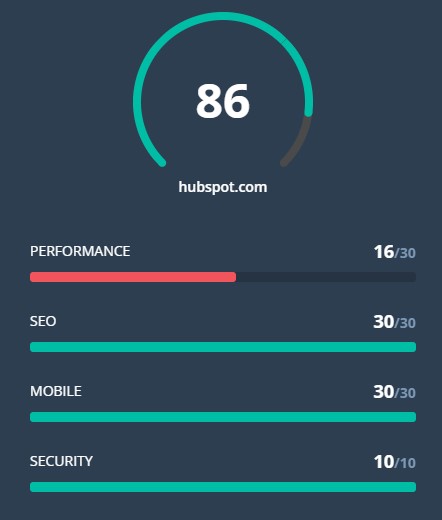
As inbound marketers, content plays an important role in attracting attention and building trust with prospects. Our content can come in many different formats, and the format we choose can speak volumes about the research and ideas within. Interactive content has become increasingly more popular as brands try to cut through the noise and keep prospects’ attention long enough to deliver a message. What Is Interactive Content? Interactive content is a type of content created not just for consumption but also engagement. It’s designed to prompt action and participation from the audience. The benefit being a higher likelihood of harnessing the audience’s ever-decreasing attention span by publishing stories with interactive elements so they gain an active role in consuming information. By dazzling the audience with an unexpected experience, you can increase engagement, on-site dwell time, and social share rates. Types of Interactive Content Quizzes Interactive Video Surveys and Polls Calculators Gamified Content In theory, any type of content can incorporate interactive elements. Interactive marketing requires ingenuity and innovation, and here are some of the ways interactive content currently shows up on the web:  Quizzes By their very nature, quizzes are interactive since input is required from the audience in exchange for valuable personalized content. Interactive Infographics Unlike static infographics, interactive infographics prompt the audience to take their own journey through the information being presented.  Interactive Video Video viewing is often a passive activity, but interactive videos can improve engagement and enhance the experience. This is done by adding 360 views, audience controls, or embedded content and interactivity.  Surveys and Polls If the audience wants macro data on a particular topic, they can be incentivized to take a survey. Then, both the survey (the input) and its results (your output) becomes consumable pieces of content.  Calculators In many cases, information itself may not be useful for your audience but rather how that information can be applied to their individual situation.  Gamified Content One of the best ways to turn content into an experience is by making it a game. Examples of this include playable game ads or interactive worlds.  You’re not confined to just these buckets, either. Interactive content is limited only by your imagination. Interactive Content Examples from Real Brands Each industry poses its own obstacles and unique characteristics, but share one common denominator: Interactive content works for all topics and audiences. 1. HubSpot’s Website Grader This personalized web experience allows users to type in their website and receive a detailed analysis based on different criteria. By pointing out specific pain points and providing actionable tips, the content turns into a lead-generator, getting the conversation between HubSpot and potential users started. How can you incorporate this into your content marketing? Personalization is key for building relationships with your audience. Pointing out opportunities for improvement and growth in an interactive way increases the trust your readers have that your brand is an expert in this topic and industry, which is easily done through interactivity. Think: “Show, don’t tell. 2. The Wall Street Journal Delivering a large amount of information is a challenge for content creators. This example from the Wall Street Journal does so using searchable, visual stats. The facts are arranged in a number of ways, including a recorded timeline for readers to hit “play” and simply watch. How can you incorporate this into your content marketing? Search is an interactive action on its own and can be easily incorporated into your content. Using search provides readers with a task to keep them engaged while presenting a healthy amount of information in a positive manner. Adding search options very much depends on the content you create, but tools like FlippingBook and Viostream make even PDF and video content searchable. 3. National Geographic Some of the most inspiring forms of interactive content match the topics they address. This example allows readers to follow the ancient cave paintings as if they are touring a prehistoric cave, with color-coded topics to provide insights. How can you incorporate this into your content marketing? Making history come to life can be a hard task. Don’t shy away from numbers and important facts, but don’t skimp on the imagery and engagement, either. Leave the canvas clear for creative imagery and video, while the text wraps the visuals but does not interfere. 4. Information is Beautiful Viewers love trivia about their favorite movies, and this is a visually appealing way to serve it to them. Breaking the movie down into specific scenes clarifies which parts are based on a true story, while color-coding gives readers a broader overview. How can you incorporate this into your content marketing? For a more holistic reading experience, allow readers to go back-and-forth between the small details and the big picture.    5. CNBC Adapting listicles to the age of video can be done by dividing a lengthy clip into Video Snaps. Each snap can be edited from a different video, and is assigned a customized title and color. Once viewed, readers can share the snap (or in this case, perhaps the side job) they enjoyed most on their social channels, or the entire article. How can you incorporate this into your content marketing? Instead of including full-length videos, cut to the chase (literally) and only include the parts that are truly instrumental to your message. Gone are the days of “skip to 1:32 to view this” video content. 6. The Solutions Project This interactive map presents data when hovering over specific states, and dives into the stats after clicking. This makes information that much more accessible, and gives readers the option to discover more, if they choose to do so. How can you incorporate this into your content marketing? For presenting a geographic distribution of data, create a interactive map to help readers visualize the topic. Check out free tools like Mapme and MapMaker Interactive to create your own. Using icons and uplifting design elements makes complicated topics seem more digestible. 7. Crown Courtroom This interactive animation aims (and succeeds) at educating readers about a potentially intimidating experience in a

8 Engaging Examples of Interactive Storytelling in Content Marketing Read More »

Mapping Local Essentials: Being the Business that Grows, Sells, or Markets the Beans

Posted by MiriamEllis Image credit: Kenneth Leung, Michael Coghlan “Dried beans saw a more than 230% increase in demand and rice sales spiked by 166% in that same time.” – ABC How should a business operate now? Where is there work to be done? Economists are making stark predictions about the future of small businesses in the US, but at the same time, I live in a town without a courier service established enough to meet the mushrooming demand for home delivery. Frankly, it’s devastating reading headlines forecasting the permanent closure of 7.5 million American SMBs, but while absorbing these, I also spent six weeks shaking the Internet for bathroom tissue before locating some 1,400 miles away. Point being: Where there’s need, fulfilment can be a public good, and where there’s upheaval, any possibility is worth considering. Necessities are emerging in bold relief on the map of each town and city. Demand must be met by determined small entrepreneurs to keep society functional. If you have a strong desire to actively support communities in new ways, by either retooling your existing business or even launching a new one, the doors of opportunity are open: Tools and exercises can help you assess local demand, with the goal of building a stable business based on serving the public exactly what it needs most. What I see emerging is a marketplace that’s essentials first, luxuries second. With a consumer public struggling to get its basic needs met, you want to own the business that grows, sells, or markets the dried beans if you can determine they’ll continue to be a must-have in all times and seasons. Let’s think this through together today. Map local essentials One of the hard lessons so many of us have learned from the past few months is that our local communities are neither prepared for disasters nor sufficiently self-sufficient to meet all basic needs. Where is the wheat field, flour mill, yeast manufacturer “near me” so that I can bake enough bread to keep my household going instead of staring at “out of stock” messaging on the websites of remote major brands? If you’re considering becoming part of the local solution to this widespread problem, I’d like you to try this simple city planning exercise with me. Take out a pen and paper, or open a design program if you prefer, and map out the essential needs of your community. Your community could be your city, or could be a larger geographic area such as a county. Include everything you can think of that human society requires, from water and food, to skills of all kinds, with an emphasis on long-term sustainability. Your map may look very similar to mine, or it could have substantial differences: Once you’ve created your own map, answer these five questions: 1) Based on what I currently know, where in my community are the worst, ongoing local resource deficits? For example, in my community, we make too much alcohol for the residents to drink and don’t grow enough food for them to eat. 2) From what the present emergency is teaching me, which local resources have proven both essential and hard to access during a disaster? For example, there is only minimal manufacture of necessities in my town and a tax base that hasn’t been geared towards safety from wildfire. 3) Where would my existing skills and passions fit most easily into this map today? My skills, for example, would enable me to teach almost any business in town how to market themselves. 4) What new skills and assets would I need if I want to adjust my current offerings or move to a completely different role in my community? Let’s say I wanted to be an organic farmer instead of a local SEO — how could I transition? 5) If large-scale government planning fails to ensure that all members of my community have what they need to support life, what are my options for cooperating with neighbors at a local level to ensure my city or county is more self-sustaining? For example, my city has a Buy Local association I might tap into for large-scale, organized planning. From this exercise, I want you to be able to tell yourself and others a compelling story about what your place on the map lacks and what it requires to become more self-reliant, as well as begin to gauge where you might personally fit in contributing to solutions. Assess local demand Now it’s time to research specific demand. How do you know what’s most needed at a local level? Try these tools and exercises and take notes on your findings. 1. Center your own experience and see if it’s trending More than anything else, it’s your powers of local observation that will tell you most about business opportunities. Businesses exist to solve problems, and right now, the problem we’re confronting is local self-sufficiency during times of emergency as well as in better days. Here’s an example of a problem. My household eats legumes at least twice a day in some form. We’ve always been able to get dried beans, lentils, and peas in bulk from the grocery store. However, with the public health emergency, stores ran out of stock and we had to order boxed products from an international brand headquartered far away. I can check to see if the problem I’ve noticed locally is part of a larger phenomenon by looking at Google Trends: Sure enough, this tool is reporting a spike in demand for dried beans across the US in mid-March. Of course, this isn’t a reason to run out and start a new business, but the data can engender good questions like: Have I identified an anomalous spike in demand or a permanent need? Is there explicit value for customers if this demand could be supplied locally instead of via distribution/online channels? Are there already local companies fulfilling this demand? If I got into this line of business, who would my local

Mapping Local Essentials: Being the Business that Grows, Sells, or Markets the Beans Read More »

The Ins and Outs of Writing Long-Form Content

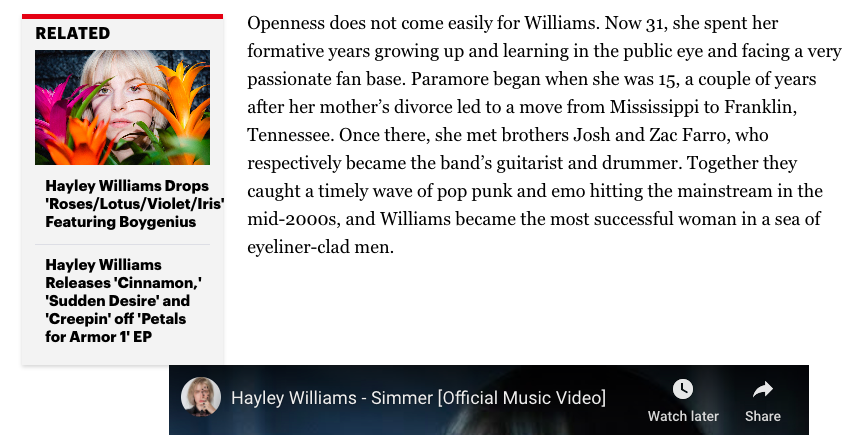
Let’s talk about content. More specifically, long-form content. Not only that, but why it’s a good idea to have on your website. Let’s say you’re looking for a resource about how to start an online business. You want a full rundown, concrete information, and actionable tips that will assist you begin a successful company. You’re probably going to want a lengthy resource that’s valuable, right? This is the glory of long-form writing. It gives you a chance to provide highly motivated readers with a ton of value and context. Long-form content generally has a word count of more than 1,000 words — so, it’s not the shortest read. That doesn’t mean that short-form content isn’t useful for your website. You should have both to serve different purposes. Let’s take a minute to look at how. Long-Form Content On the surface, long-form content doesn’t sound like it’s great for user engagement. It might seem counterintuitive to give your audience more to read in order to keep them on your website longer. But it’s true, and I’m going to dive into why below. I’m here, however, to debunk that myth. Let’s add a definition to the term, first. The purpose of long-form content is to provide valuable information to the reader. If you write long-form pieces — and make sure those articles are useful to your audience — you can increase the time spent on your site and value to your reader. More than that, if you optimize your website for search engines and add calls-to-action in the body of your piece, you can improve lead generation. Your articles will have a higher chance of showing up on the first page of SERPs, and you can guide readers to offers that relate to the topic of your work. Sounds pretty great, right? But wait — if there’s content that’s long-form, there has to be a short version, right? It’s important to know the difference between the two so you know how to best serve your audience. Long-form content vs. short-form content Short-form content can be extremely helpful to readers who want a quick answer to their queries. For instance, you can offer short-form content to provide a simple definition or explain a product in small portions. Short-form content gives your reader the information fast so their attention doesn’t wane. This type of shorter writing is generally under 1,000 words. It provides a general overview and saves readers time. Long-form content, on the other hand, goes deeper into topics. In addition to diving deeper into topics, long-form content can aid with ranking highly on search engines and build your website’s reputation. For example, this article, about how to write a blog post, has earned thousands of views. Additionally, the average time spent on the page is about four minutes. From these metrics, we can guess that this 17-minute read, well over 1,000 words, was successful in providing value to the reader. This doesn’t mean that you should fill your blog with 17-minute reads. But it can be useful to start thinking of how long-form content can be effective for your audience. How can you provide ample writing that’s actionable for readers? If you build an archive of long-form content that’s valuable for readers, you can create a reputation as a source people look to first to help them solve their questions. It’s kind of like ordering a product online. You’re probably more likely to order from a site you’ve used many times before, that has proved to be reputable, instead of trying out a brand new ecommerce option. Let’s look at another reason why long-form, valuable writing is successful: page rank on Google. Backlinko found that websites with a high “time on site” are more likely to rank highly on search engine results pages (SERPs). When a search query is typed into Google, the search engine crawls websites for content that will help solve that user’s query. Web pages that have a longer time spent on site than others suggest to Google that browsers found that information important enough to stay on that page. As a result, Google is more likely to suggest that page above others. (Don’t forget that a page optimized for SEO is also a huge boost to improving rank). So now you know why long-form content is important to have on your site: It provides values to readers, can earn you a reputable reputation, and brings more eyes to your site. But what does successful long-form content look like? Let’s take a look at some examples. Long-Form Content Examples Before we talk about how to write long-form content, let’s look at some effective examples. These examples show how long-form content can be optimized for the reader’s comprehension. 1. Hayley Williams Isn’t Afraid Anymore by Rolling Stone This long-form profile about solo artist Hayley Wiliams, written by Brittany Spanos for Rolling Stone, does a great job of performing other content produced by Rolling Stone about the same topic, or those that are similar. Within the profile, other works previously done by Williams or her rock band, Paramore, are featured and hyperlinked to previous RS articles that are applicable. For instance, the word “Paramore” was hyperlinked to an internal tag of the same name, showing all previous RS posts that mentioned the band. A particularly intriguing mention of past works related to the topic, Williams, comes up in the sidebar of the feature. There, you can find previous music reviews of the singer/songwriter’s releases. This is a visual way to promote past content, and one that catches the attention of readers. Image Source If you want to include other works in your long-form content that relate to the article, consider an approach similar to this one. You’ll give the reader a break from reading the piece to queue up similar posts for later. Additionally, you’ll provide more value to the article by offering up supporting ideas. 2. Getting Started with Google Remarketing Ads by Mailchimp Mailchimp is a marketing software

The Ins and Outs of Writing Long-Form Content Read More »

5 Ways to Use Audio in B2B Marketing

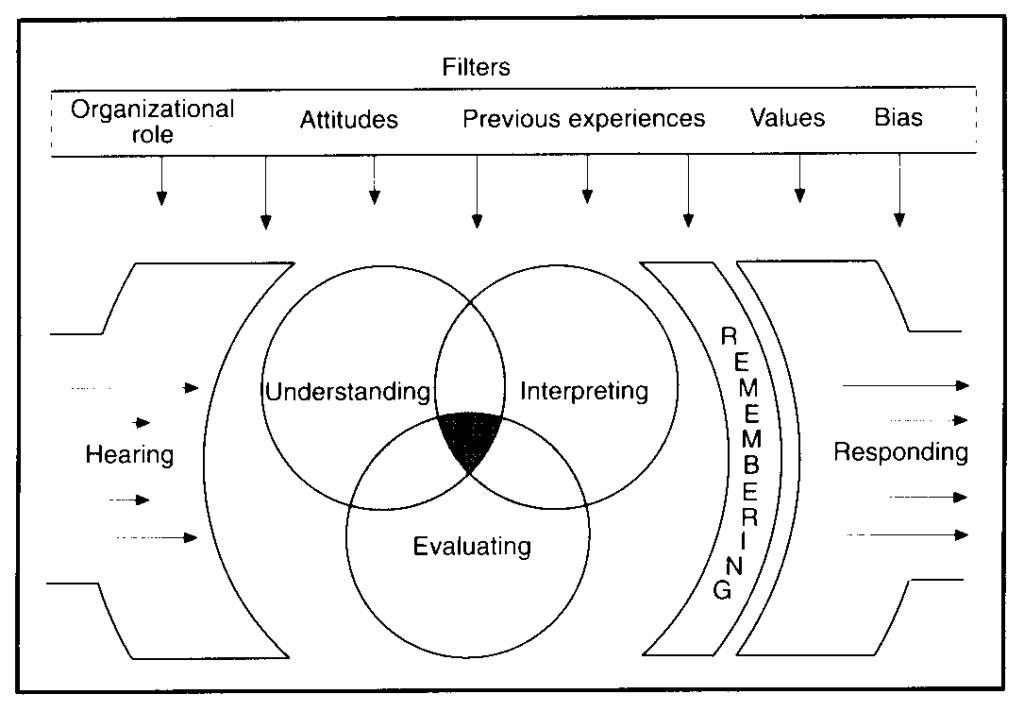
Whether you prefer to stream music in the car or listening to the hottest podcasts — odds are there’s some form of audio content that you love to consume. I too am one of those people who always has to be listening to something. Whether it’s a new Spotify playlist or the latest episode of a podcast, I use pretty much every opportunity to consume audible content. I’m hardly the only one who’s partial to audio in this way. With consumers spending more time alone or at home in 2020, marketers have noticed a major uptick in audio content and listenership. This isn’t shocking. In recent years consumers have increasingly turned away from traditional TV content in favor of mobile or online platforms — especially those that promote and produce audio content. At this point, marketers are taking notice of audio opportunities. Consumer listening behavior has created a tremendous opportunity for marketers — especially those in the B2B sector — to create branded, audible content. Audio is often associated with consumer marketing, but those kind of assumptions create a missed opportunity for B2B brands. After all, here at HubSpot, we create content for marketing and sales professionals in a variety of formats, and if you read our blog, it’s no secret that we’re constantly nagging you to do the same — even with audio. So let’s explore the ways that can be done, starting with a look at the science behind the act of listening. The Listening Process Before you start creating audio content, it might be helpful to understand how and why people listen. The act of listening, according to Merriam-Webster, is “to hear what someone has said and understand that it is serious, important, or true.” It also helps satisfy different physiological goals. We listen to alter our moods, stay alert, and figure stuff out. In humans, that’s been the case for pretty much as long as we’ve been in existence. The process starts when we receive auditory stimuli, which our brains then have to interpret. That’s aided by other senses — like sight — and helps us better figure out what we’re hearing. Once our brains have interpreted these auditory signals, we follow a series of steps that consist of recalling, evaluating, and responding to the information we consume: Source It’s that third step in the process — recalling — that might be the most important one for marketers. Numerous studies have discovered how listening triggers a widespread network of activity throughout the brain. That activity is what links auditory stimuli so strongly to memory. That might be why we love to talk about things we’ve heard, like a great song, for example. We’re actually sharing a story about our memory of what we heard. And that comes back around to what we do as marketers. We share the stories of and about our brands in a way that will get people to pay attention and listen to us. So, let’s get started, and begin creating content that people will listen. 4 Ways to Use Audio in B2B Marketing 1. Create or sponsor branded podcasts. According to Edison Research, podcast listenership has been on a steady rise since 2006. In 2018, podcast listenership saw a 26% YoY increase. Along with listenership, podcast revenue has also grown. By 2021, podcast ad spending is expected to hit $354 million. Source People often make the mistake of thinking that podcasts are largely consumer-facing. We think of those that are aired on public radio or hosted by celebrities for the masses of bored commuters trying to pass the time. But in reality, there are a number of B2B podcasts out there, like Duct Tape Marketing, ZenDesk’s Relate, and HubSpot’s The Growth Show. But when it comes to creating branded podcasts, many B2B marketers make similar objections that we used to hear about blogging — such as, “I don’t have time,” or, “I don’t have anything to say.” Podcasts, like blogs, follow the pillars of inbound marketing, in that you’re creating valuable, educational content for people who are searching for information on what your business does best. That’s one way The Growth Show works, for example. Because HubSpot’s marketing, sales, and CRM software comprise a growth stack, we use our podcast to discuss related topics with business leaders who have accomplished notable growth, and who have good stories. “Companies — especially B2B companies — have such a hard time telling their organization’s story,” says Kierran Petersen, The Growth Show’s associate producer. “Creating a branded podcast is the perfect opportunity to do that. It’s such a personal way to give people insight into what you do, by showing your audience who you actually are.” That’s where the answer to the second objection — “I don’t have anything to say” — comes in. When people tell us that’s why they can’t invest time in blogging, we usually say, “Write what you know.” The same thing goes for podcasting, but instead of writing, you’re speaking about what you know. And for some, that might even come easier than writing. Of course, creating a branded podcast isn’t as simple as recording 30 minutes of stream-of-thought remarks on your business. It helps to approach this content creation the same way you would for a blog, and create an editorial calendar to plan and outline different topics, as well as people who you’d like to interview. You should also consider how you’re going to distribute that content and the different platforms that your audience can use to consume the podcast. For beginners, we recommend free tools like SoundCloud, or experimenting with different ways to share the audio across social media. Repurposing Blogs as Podcasts If you’re still feeling a bit uncertain about creating an original podcast, you can start on a smaller scale by repurposing your existing content. On some blogs, you may have come across the option to listen to an audio version of the post. That’s one fairly easy way for businesses to create original audible content — take

5 Ways to Use Audio in B2B Marketing Read More »

Think You Know LinkedIn? 8 Common Myths Debunked

Ever wonder what happens when you hit the magical “500+ connections” level on LinkedIn? Or how people connect with those outside of their immediate network? Or how to keep your entire network from seeing a tiny profile update? Though LinkedIn is a powerful tool for business professionals across all industries, there are still a lot of misconceptions about how it works. Read on to learn the truth behind some of the most pervasive LinkedIn myths. Myth #1: LinkedIn is only helpful if you are looking for a job. Truth: LinkedIn is a great place to build your professional brand, stay up-to-date with your network, and gain insights and knowledge at every point in your career. Krystal Wu, a social media community manager at HubSpot, says, “LinkedIn isn’t just a tool that’s used to search for a new job or connect with your employees. It’s a place for users to show off their expertise around a subject and grow relationships with like-minded people.” Tip: Keep your profile up-to-date even when you’re not looking for a job so opportunities can find you. By staying up-to-date with your network, you can make use of those connections when you need them. Additionally, you should follow channels, influencers, groups, and company pages to get personalized news and insights. By following the right content and engaging in conversations with your network, you can find potential business opportunities that you hadn’t thought of before. Myth #2: If I update my profile, everyone in my network will be notified. Truth: You can control what is broadcast to your network so you can get that much-deserved congratulations on your terms. Tip: When you go into “edit” mode on your profile, there is an option at the bottom of the page that asks if you want your network notified of profile edits. Just turn this on/off as you see fit. Myth #3: I can only connect with someone I know well. Truth: You should feel free to invite someone to connect with you, even if they’re not your best friend. The best connections are those that are mutually beneficial in building a relationship. Tip: The best way to make a connection is to send a personalized invitation or ask someone in your network to make an introduction. Make sure you specify what’s in it for the person you’re requesting to connect with, too. Myth #4: There are secret features that get unlocked when you hit 500 connections. Truth: LinkedIn stops displaying your number of connections on your profile after 500, but nothing happens once you go beyond. Tip: The trick to a successful network is to have both quality and quantity. Developing better relationships with your connections opens you up to more opportunities with like-minded professionals in your industry. Myth #5: Accepting invitations from people I don’t know well will open me up to spam. Truth: If you find someone acting inappropriately, you can remove them from your network or flag them to LinkedIn’s support team as a spammer. Tip: Manage your network by clicking on “My Network.” This is the central hub from which you can add or remove connections. It’s also a great and easy way to keep in touch with your connections. Myth #6: I can only message people I am connected to. Truth: Beyond your network, you can also message members who are in the same groups as you are in or by using Premium Inmails. Tip: Join groups that are relevant to your business, industry, or areas of interest and expertise. Use groups as a way to share your knowledge, gain insights, and build relationships that can help you achieve your goals on the platform. Myth #7: I should only post content about my company and industry. Truth: You should share anything that feels like a representation of you and your professional brand. A great and simple question to ask yourself before posting something is, “Would the people in my network find this interesting?” Wu adds, “Actually, LinkedIn is about more than just work. It’s about your skills, your connections and your projects. You can use LinkedIn to amplify your message to a network of people and highlight the talented human you are, when it comes to your job or not.” Tip: Vary the topics that you post about to keep your network engaged and wanting to hear more. Whether you’re posting your own content or reposting something that you find read in the news, sharing is a great way to build relationships, flesh out a bit more about who you are and your interests, and stay top-of-mind with your target audience. Myth #8: LinkedIn is the least social platform. Truth: LinkedIn is a popular platform for professionals. It’s used to network, and even sell your product. In fact, when making B2B purchasing decisions, 50% of buyers turn to LinkedIn as a resource. Tip: Use social features such as LinkedIn Stories or LinkedIn Live to connect with your audience. Kelly Hendrickson, a marketing manager on HubSpot’s social media team, says “Audiences are having human conversations on the platform, concurrent to LinkedIn adding more social features to nurture this engagement.” LinkedIn is a great tool for professionals to connect with potential collaborators or even prospects. Don’t sleep on this social media site, because the platform continues to grow in popularity and usage. Editor’s note: This post was originally published in August 2014 and has been updated for comprehensiveness.

Think You Know LinkedIn? 8 Common Myths Debunked Read More »

The 4 Ps of Marketing: A Step-by-Step Guide (With Examples)

The 4 Ps of marketing… You’ve probably heard about them from a friend, a textbook, or even at school. I know it sounds like a boring topic that’s common sense, but there is more to it than meets the eye. And no, it’s not just for large companies… the smaller you are, the more important for you it is to leverage the 4 Ps. So before we dive into it, let’s first break down what they are… What are the 4 Ps of marketing? The 4 Ps of marketing is a famous concept that summarizes the 4 basic pillars of any marketing strategy: product, price, place, and promotion. It sounds simple and it really is (the harder part is implementing it, which we will get into later). The idea behind the theory is that if you implement them, you will generate more sales. But sadly nothing is that easy. :/ The origin of the concept, also known as marketing mix, goes back to 1960 when McCarthy introduced it in his book Basic Marketing: A Managerial Approach. I know that’s ages ago, but it is just as valid today. Let’s dive into each P… Product The product is what the company sells. It might be a product like a soft drink in the beverage industry or dresses in a clothing store. Or these days it may even be software like Ubersuggest. It could also be services, such as consulting or a paid speaking gig or even a therapy session. In short, the product is everything that is made available to the consumer. In the 4 Ps strategy, defining this means understanding what your offer needs in order to stand apart from competitors and win over customers. In other words, what makes your product so great or unique? Because if you don’t stand out it’s going to be hard to thrive. For example, you may know about my product Ubersuggest, but you probably already know about a handful of my competitors? So what’s the big thing that makes my product stand out from everyone else? I don’t focus on features… I don’t have 100s of reports… instead, I focus on usability. My goal is to make Ubersuggest really easy to use, especially if you are new to marketing. On the flip side, my competitors focus on ad agencies and really advanced marketers. I built something for a different target market, even though I am in a crowded market place. How to create an amazing product that your customers love I want you to do something simple… go to Hotjar, signup for a free account, and run a poll. Just like the one below. I’ve been running polls for a while now, but if you are starting off I would ask open-ended questions like: What’s the biggest problem I can help you solve? (This will give you an idea on what your product needs to do) What’s your favorite marketing product and why? (You’ll want to replace the word “marketing” with whatever industry you are in… this question gives you an idea about who your competition is and what they are doing right) Why did you come here today? (This will tell you why people come to your site and what they are looking for) How can we make our product better? (This is great if you already have a product up as you will get real feedback) What don’t you like about COMPETITOR ABC? (Replace competitor ABC with your competition’s name… this question tells you where there is an opportunity) I want you to pay special attention to the last question. It really helps you identify how you can differentiate yourself from the competition. Now, before you go and build a product (or make yours better if you already have one), don’t invest too much time and money without getting feedback. For example, if I were to add a new feature to Ubersuggest, I wouldn’t just build it. I would get it designed, show you first, get feedback, and then adjust from there. That way I won’t waste months’ worth of time building a product you don’t want to use. Price Price is simple, it refers to how much you charge for your product (or service). And although it’s simple to understand, it’s really hard to come up with the “right” price. The one that doesn’t just drive the most amount of sales but also drives the most profit. The real question is, how do you want to be perceived? Amazon wants to be the place where you can get the best-valued products from A to Z. And of course, delivered at a fast pace so it’s convenient for you. My buddies’ company, Imperia Caviar offers high-end caviar at low prices. He’s able to get the same caviar that big brands charge thousands of dollars. You would think that by having a cheap price he is cheapening his brand, but instead, he is bringing transparency to the market and educating people on how caviar isn’t really expensive… it’s actually just a marketing ploy. I take a similar approach to Ubersuggest. I don’t think marketing software and education should be so expensive. So I give a lot away for free or super cheap. Do you think that has cheapened my brand or hurt it? Well, let’s look at the data: I guess not. 🙂 But on the flip side, would Ferrari be Ferrari if their cars were selling for $10,000? Probably not. How to pick the right price for your product By no means am I a pricing expert so I don’t want to tell you what to price your product at. But I will tell you to read the Price Intelligently blog. Those guys know to price like the back of their hand and they have dozens of articles that will teach you exactly how to price your product. It’s important to think about pricing, especially if you are in a crowded space. My rule of thumb is: If you are

The 4 Ps of Marketing: A Step-by-Step Guide (With Examples) Read More »

How 7 Brands Are Using LinkedIn Live to Reach Their Audiences

While you might have been going live on both Facebook and Instagram since 2016, LinkedIn has recently decided to join the live streaming platforms. In fact, in February 2019, LinkedIn Live was launched to individual users. It was just recently announced that LinkedIn Live would also become available to business pages. While your business page might not have live capabilities yet, once it’s available you can use it to launch new products, demonstrate thought leadership, and boost your content strategy. In this post, we’ll look at how seven brands have been doing that with LinkedIn Live. 1. Vimeo’s Working Lunch When Vimeo received access to LinkedIn Live, the brand started to showcase a weekly show called “Working Lunch.” With this series, Vimeo used the popular “lunch and learn” format. They sat down with experts in business, tech, and communications to educate their audience. In fact, this is a great example of how to use LinkedIn Live to reach your audience with serialized content. A series gives your followers something to look forward to on a regular basis. It’ll keep them coming back for more. Additionally, Vimeo’s series is a great example of educating your audience. Inbound marketing focuses on being helpful and providing educational content, and you can use LinkedIn Live to support those efforts in an interactive way. 2. MIT’s Commencement Ceremonies Celebratory events, like graduation ceremonies, are a great way to connect your audience and attract new talent. MIT did this on a brand new scale by live-streaming its commencement ceremonies in 2019. This helped the brand celebrate a big moment, while also transporting its audience who couldn’t be there to a live celebratory event. 3. BCG’s Advice for the Graduating Class Boston Consulting Group (BCG), a management consulting firm, partners with leaders in business and society to tackle their most important challenges and capture their greatest opportunities. LinkedIn, in general, is a great place for them to inspire young professionals and engage with their community. BCG decided to do this on LinkedIn Live by live streaming advice for the graduating class from Elliot Vaughn, its partner & managing director. This was also a great way to demonstrate experience, foster a relationship with its audience, attract new talent, and promote brand awareness. 4. Hootsuite’s Brand Partnership Announcement Hootsuite is an excellent example of using LinkedIn Live to reach its audience in an innovative way. In this example, Hootsuite went live to educate audiences on Google My Business, while also announcing a strategic partnership that showcased innovation. In this discussion, a panel discusses how to improve your Google My Business listing. They also announced that you can now do all of this through Hootsuite. Using LinkedIn Live, Hootsuite’s expert panel discussion was used as a way to announce a strategic partnership to its audience. 5. Thrive Global’s AMA with Arianna Huffington Thrive Global is a brand that offers companies and individuals sustainable, science-based solutions to enhance both mental and physical well-being and performance. At its core, interacting with its audience is one of the most important elements of Thrive Global’s LinkedIn strategy. To interact with its audience on LinkedIn Live, the brand decided to host a live AMA with its founder, Arianna Huffington. In this video, they discussed effectively communicating at work, while also answering questions from its audience. Additionally, live video allowed them to educate their audience and foster real communication. 6. Gong.io’s Interactive Blog As we mentioned before, LinkedIn Live is a great tool to boost your content strategy. You might be wondering, “How?” Let’s look at Gong.io for this example. Gong.io decided to host a weekly live show on LinkedIn Live that was inspired by existing content. This meant that they repurposed previous blog content by adding live video, which made it more interactive. Additionally, this was an excellent way to promote their content. When a brand goes live on LinkedIn, a notification is sent to its followers, which lets them know that something is happening right now. 7. PwC Sweden’s Recruitment Panel LinkedIn is one of the top tools for recruiters, so you might be wondering, “How can we use LinkedIn Live for our recruitment efforts?” It’s a great question. In this example, PwC Sweden, a global consulting firm, hosted a casual panel discussion with its employees on what it’s like to work there. Employees discussed why it’s an awesome place to work, and were able to authentically showcase why. This conversation helped promote its talent brand in an interactive way. Additionally, you can also use LinkedIn Live to showcase your office space or interview hiring managers about how to get hired by your company. Ultimately, LinkedIn Live is a great tool to reach your audience. You can educate, interact, inspire, and promote your own brand through this medium.

How 7 Brands Are Using LinkedIn Live to Reach Their Audiences Read More »

5 Areas of Marketing You Should Practice the “Less is More” Approach

This crisis has created a need to do a lot more with less resources. Marketers, in particular, are under a lot of pressure to pivot their strategy and ensure their brand stays relevant during difficult times. But, although quality does make a difference, marketing right now is a game of strategy and scale. At the end of the day, only a small fraction of the people reached by a brand will actually convert. Which means the more people marketers reach — and the more touchpoints involved — the better. If you’re already feeling stretched thin, don’t worry. Reaching more people doesn’t necessarily mean doing more. In fact, there are a few circumstances where it’s actually better to do less. Here, let’s dive into five areas of marketing you can practice the “less is more” approach to ensure higher efficiency, and less time wasted. Less Stress, More Productivity When you take a hard look at marketing tactics, you’ll see there are actually a lot of opportunities to generate and convert more leads with less work. Let’s dive into five areas of marketing where you might be wasting your time — and how to create more efficient processes instead. 1. Management Management has two meanings in marketing: the management of employees, and the management of campaigns. Both contain plenty of chances to do more with less work. Campaigns Every tool in your marketing stack claims to make your life easier. In most cases, though, they’re just one more window or tool to keep tabs on. Despite the fact that the typical martech stack contains dozens of tools, Gartner research suggests marketers use barely half of them to their fullest potential. That’s the thinking behind HubSpot’s “hub” approach: All-in-one tools are a better investment because they’re more efficient. Not only do employees actually use them, but they spend a lot less time doing things like switching windows and exporting data. People If I’ve learned anything about management, it’s that trust and autonomy are key. Nothing creates disengagement quite like micromanagement. Micromanagement is a double-whammy to productivity because it takes more of managers’ time while reducing employees’ performance. And as someone who co-founded a content marketing company, trust me when I say micromanagement also cuts into content quality. The best managers aren’t hands-off, but they’re far from hands-on. Instead of worrying about nitty-gritty details, good managers focus on creating the right work environment. Your direct reports should feel safe making their own decisions, but also comfortable coming to you with questions. 2. Scheduling Your Calendar A “less is more” mentality works both with how you schedule your time, and how other people schedule meetings with you. At a past company, we used what I call the “big rocks” system. Each morning, members of the team would share the top three or four things they expected to accomplish that day. Although they did all sorts of smaller tasks in between, nobody ever listed “answering emails” or “creating Facebook posts.” Why not? Because trying to schedule every single chore every day is a waste of time. Appointments fall through. Things come up. Being flexible and squeezing in extra work whenever it makes sense is more efficient than having to rearrange your calendar every hour. Think, too, about how you schedule things. I spend a lot of my days in meetings, so I could easily spend hours going back and forth in email to set them all up. Instead, I use workflow automation to let people pick a time that works for both of us. 3. Content Creation I may not be a professional novelist, but one thing I do know is short, snappy writing tends to perform better than long, complex copy.Search engines favor shorter sentences and paragraphs. And more anecdotally, Stephen King, one of my favorite authors, warns writers against overusing adjectives and adverbs. The point is this: Concise writing tends to be strong writing. Rather than trying to sound like the next Shakespeare in your blog content, be natural. A down-to-earth style is both easier on you and easier on your reader. 4. Conducting Meetings There are only a few select situations where I would ever hold a hour-long meeting. Not only are they expensive — a hour-long meeting with a dozen employees costs 12 hours of company time — but they simply don’t make sense from a productivity standpoint. Don’t get me wrong: Meetings can be valuable opportunities to get on the same page. But they can also be enormous time-sucks. In fact, Research published in Harvard Business Review found 71% of executives think meetings tend to be unproductive and inefficient; and 65% of those surveyed said meetings keep them from completing their own work. Take an “only when necessary and only as long as necessary” approach to meetings. If a message can be conveyed just as well in an email, don’t drag people away from their desks for it. If a meeting is required, send out the agenda beforehand, and explain how long you expect it to take. If it’s done after five minutes, great — let people get back to work. 5. Team Brainstorming Sessions Marketing is an industry of ideas. Every strategy, campaign, and piece of content begins with ideation. Although I like the cerebral side of marketing, I can’t get on board with how many teams brainstorm. Nearly 60 years ago, a Yale study showed individuals come up with twice as many solutions to creative puzzles as those working in groups. Yet the team brainstorm remains a staple at most agencies I know. Just as much time is wasted in post-brainstorm winnowing. Marketing runs on experimentation. The only way to truly tell how a campaign, title, or image will perform is to test it. In the time some teams spend debating different ideas, they could’ve collected real-world data and pivoted if the initial idea didn’t work. Practice Pulling Back Doing less might not sound like something that takes practice to get right. But I’ve found marketing is full

5 Areas of Marketing You Should Practice the “Less is More” Approach Read More »